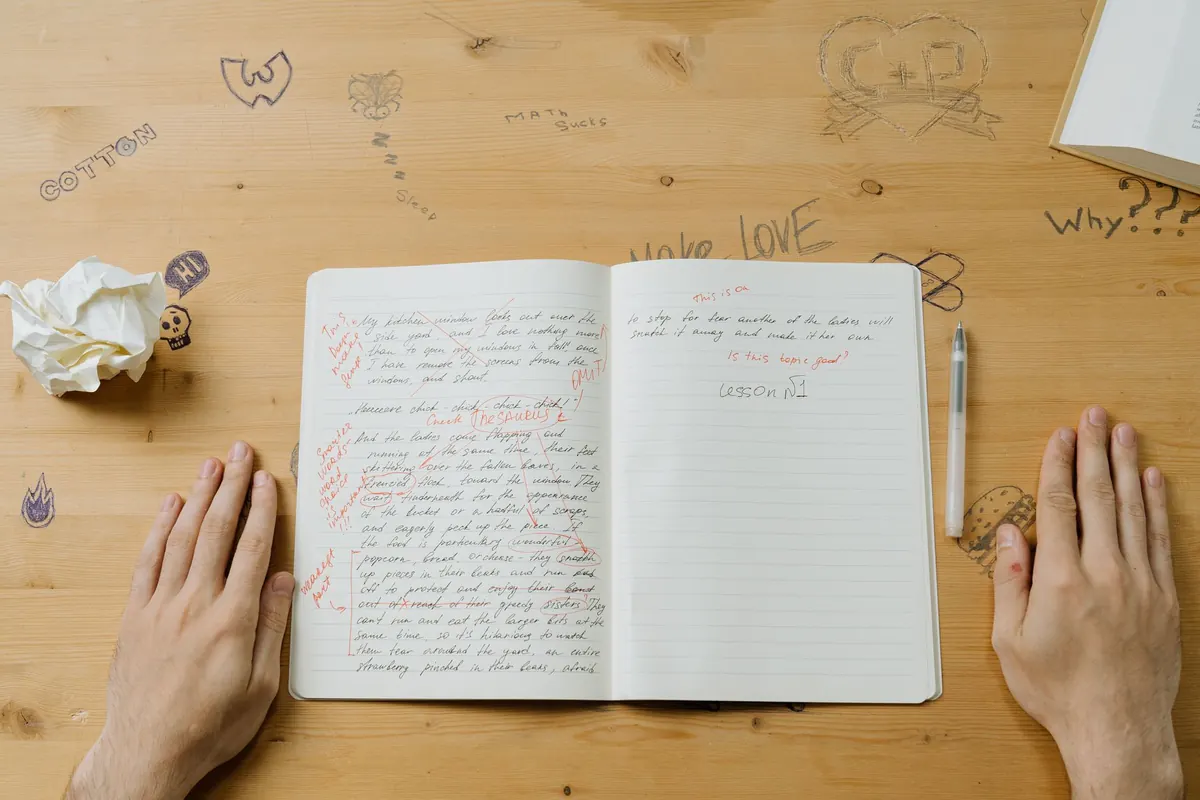


Writing Retreats in the UK: How to Plan a Productive Weekend
Plan a UK writing retreat that works: choosing the right place, budgeting sensibly, and structuring a weekend around real, finishable work.
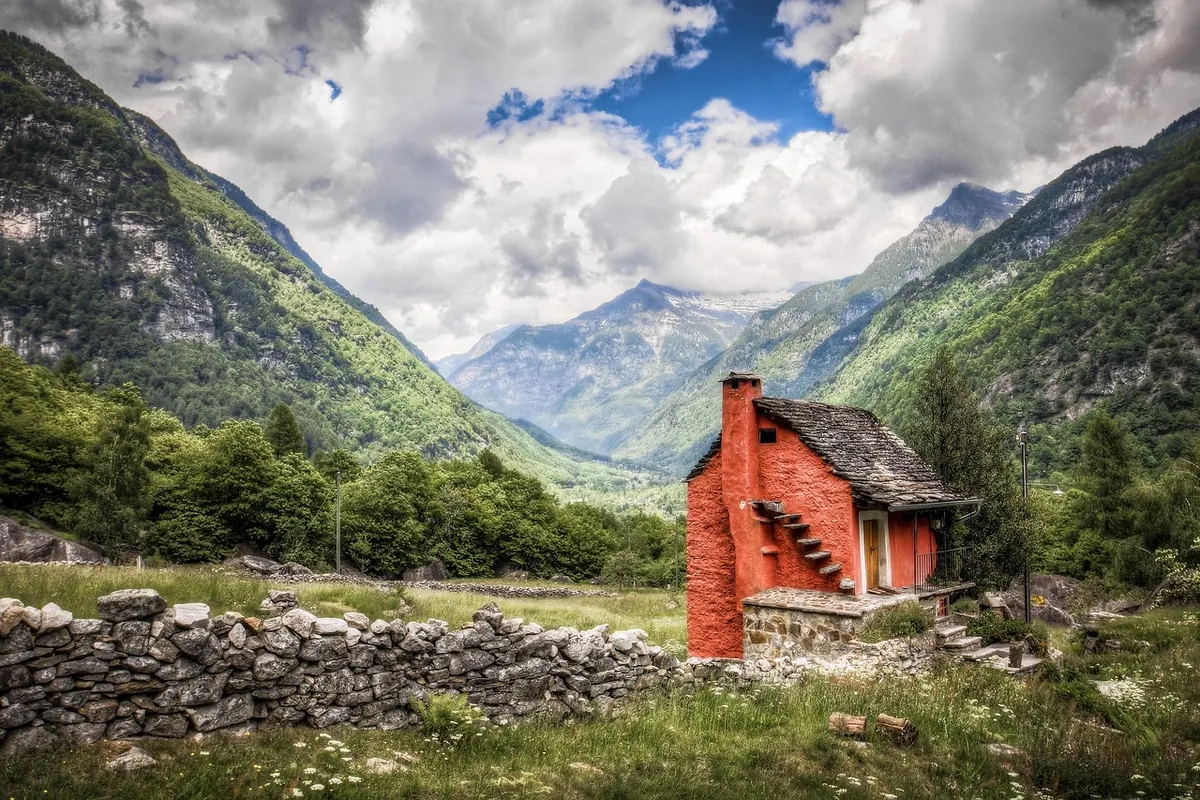
A weekend is a small, awkward unit of time. Long enough to feel like an escape, short enough that a wasted Saturday morning stings. Plenty of writers book somewhere lovely, unpack a laptop, and spend two days circling the work without ever landing on it. The fix is not discipline in the abstract. It is planning. Decide what the weekend is for, find a place that removes distractions rather than adding them, and settle what a good two days looks like before you leave the house.
Decide what the weekend is for
Before you open a single cottage listing, finish this sentence in writing: By Sunday lunchtime I will have… The answer needs to be concrete and small. "Made a proper start on the novel" is not a plan. "Written 3,000 words of chapter four" is. So is "Outlined the last six chapters, with a paragraph on what happens in each one".
The stage of your project matters more than any word count. A first draft thrives on silence and long stretches at the desk. A redraft needs you reading pages aloud, printing chapters, and scribbling in margins. If you are stuck, the weekend's job is diagnosis, not output: work out why chapter nine collapsed instead of forcing another thousand words into it.
Resist adding a second aim. One goal, one weekend. The writers who come home satisfied are almost always the ones who asked for less.
Organised retreats or your own?
Tutored residential courses give you a timetable, a tutor, cooked meals and other writers to eat them with. Arvon runs weekends and longer courses at houses including Totleigh Barton in Devon, Lumb Bank in Yorkshire and The Hurst in Shropshire, and Moniack Mhor sits near Inverness. Writing organisations and universities run shorter versions too. Many offer bursaries, and a surprising number of people never think to apply for them.
Book this kind of weekend if you need a deadline and a room full of people who take your writing seriously. Book a self-catering cottage, a hostel, a Landmark Trust building or a room above a pub if you need to vanish. The second option costs less per night and gives you total control, which is wonderful if you are disciplined and dangerous if you are not.
Choose a place that removes decisions
Every choice you leave open is a small leak in your attention. A kitchen table, a shop within walking distance, and a view worth staring at for five minutes between paragraphs will do more for your word count than underfloor heating. Ask these questions before booking:
- Is there a desk, and does the chair look usable in the photographs?
- What is the wifi like, and do you actually want it switched on?
- Is there a café, pub or shop close enough to walk to when you need to see a human?
- Are the desk and the bed in separate rooms? Some writers need the separation.
- What happens if you have to cancel? Check the policy before you pay.
For a first retreat, avoid somewhere you have always wanted to explore. You will not write. You will go and look at the abbey.
What a UK writing weekend costs
Write down four numbers before you commit: accommodation, travel, food, and any course fee. Accommodation is nearly always the biggest, and it swings wildly with region and season — a February cottage in mid-Wales and a July week in the Cotswolds are not remotely the same purchase. Train fares drop sharply if you book well ahead and travel off-peak; driving brings fuel, parking and possibly a toll. Self-catering saves money on meals but adds a supermarket shop and cooking time you may not want to spend.
Then do one honest calculation: divide the total by the hours you will realistically spend writing. If that figure makes you wince, look for a cheaper bed rather than cancelling the trip. And if paying for the weekend would mean borrowing or dipping into money set aside for essentials, talk it through with someone qualified before you book.
An hour-by-hour structure that leaves room to think
The most common mistake is planning a schedule so tight that one slow morning ruins the whole weekend. Build in slack instead.
- Friday evening. Arrive, unpack, eat. Twenty minutes with a notebook to note where the project stands. No pressure to write.
- Saturday morning. One ninety-minute block, then a proper break away from the desk.
- Saturday afternoon. A walk first. Then a second ninety-minute block. Stop while you still know what comes next.
- Saturday evening. Off. Read something unrelated, or watch something. This is not cheating.
- Sunday morning. One long block, then a short review of what you have.
- Sunday afternoon. Half an hour of notes, then pack and leave without guilt.
If you are going with other writers
Agree writing hours out loud on the first evening and treat them as fixed. A shared house can otherwise become a very pleasant four-day lunch.
If you get stuck
Change the question rather than forcing the words. Write the scene from another character's point of view. Write it by hand. Read the previous chapter aloud and see where your attention snags. Then go for a walk and let the problem sit.
The logistics that decide everything
Small practicalities have an outsized effect over two days. Check the phone signal before you book, and decide in advance whether you are taking the laptop or leaving it. Pack the charger, the spare pen, the printed pages, and enough food for the first night so you do not arrive and immediately have to drive to a shop. Take walking shoes and a waterproof — the walk is part of the work, not a break from it. Tell someone where you are going and when you will be back. And put your phone in another room during a writing block, not face down on the desk beside you.
Come home with something to show for it
Spend the last twenty minutes of the weekend writing notes to your future self: what you produced, what the next scene or section needs, and the first thing you will do when you next sit down. Book that next session in the diary before the week fills up, even if it is only an hour on Tuesday. Tell one person what you finished, because saying it out loud makes it real.
The point of a writing weekend is not the weekend. It is the following Tuesday, when you open the file, read your own notes, and already know the next sentence.
Photo: pixifant / Pixabay